
Some mornings begin with the hum of engines and the smell of diesel. Others begin with a cool breeze, the squeak of a chain, and the low whirr of rubber rolling over damp gravel. Out in the countryside, where distances stretch and bus timetables become sparse, the choice between those two openings shapes the rest of the day. More and more rural families are discovering that the most practical, affordable, and quietly revolutionary cycling transportation option can also be the most joyful.
Transport Sustainability That Starts at the Front Gate
When policy makers speak about sustainable mobility, they often focus on dense urban centers. Yet sustainability must reach beyond city limits. A single tractor or pickup may idle longer than an entire fleet of urban scooters. Every gallon of fuel saved on a farm lane counts double: once for the CO₂ that never reaches the sky, and again for the money that stays in a household budget. A cycling transportation option offers rural residents an immediate way to cut dependence on fossil fuels without waiting for new bus routes or charging stations.
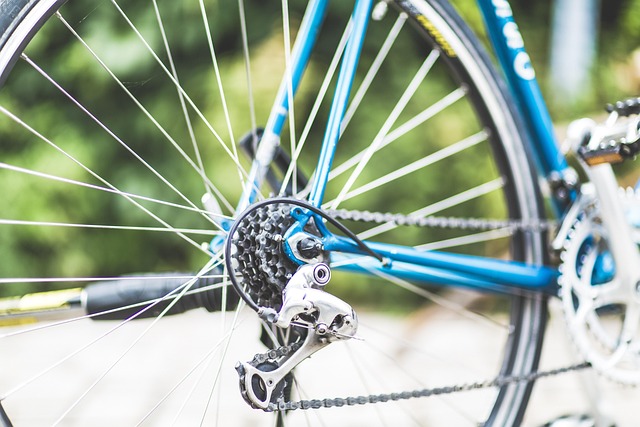
The simplicity of the bicycle translates into resilience. A flat tire is patched with a kit that costs less than a cup of coffee; a broken belt in a car can cost a day’s wages and half a week’s income to fix. In regions where mechanics are distant and parts deliveries unreliable, pedal power keeps villagers, school children, and field workers mobile, whatever the supply-chain news may say.
Pedals and Prosperity: Linking Cycling to Rural Development
Economic development in rural areas often hinges on access—access to markets, education, health services, and social opportunities. The humble bicycle multiplies that access. Consider the farmer who needs to bring fresh vegetables to a local market ten kilometers away. Replacing a fuel-hungry motorcycle trip with a cargo bike saves money that can be reinvested in seeds, irrigation, or school fees. Over time, that shift can tip a household above the poverty line.
Small entrepreneurs can connect with neighboring communities once thought too distant. A home baker with baskets strapped to a rear rack gains a moving storefront. A seamstress can carry finished garments to clients without needing to coordinate lift shares. Each pedal stroke adds to a lattice of micro-commerce that stitches villages together.
Social Benefits on Two Wheels
- Health: Regular riding combats the rising tide of non-communicable diseases. Rural clinics report lower cases of hypertension and diabetes among habitual cyclists.
- Education: School attendance rises when students can pedal rather than walk long dusty roads. The extra morning hour gained often turns into study time.
- Gender Equality: Women equipped with a reliable cycling transportation option gain autonomy over their daily movements, reducing dependence on male relatives for trips beyond the village.
Blending Tradition with Innovation
Cycling in rural landscapes is not new; what is new is the recognition of the bicycle as infrastructure rather than accessory. Community workshops now teach maintenance alongside crop rotation. Local micro-finance groups include bicycles in their loan portfolios. Non-profits distribute sturdy, single-speed models designed for rough tracks, but they also introduce e-assist technology powered by small solar charging stations, ensuring that elderly riders or those hauling heavy produce can still benefit.
Crucially, these initiatives nurture local ownership. A village-run repair kiosk becomes a workplace for youth who might otherwise migrate to cities. The supply chain for spare parts creates an informal economy of nuts, bolts, and inner tubes, each transaction fueling development rooted firmly in place.
Shifting the Mindset—From Last Resort to First Choice
Old perceptions die hard; in many regions the bicycle has been seen as a symbol of poverty. Yet as climate awareness and fuel prices rise, attitudes flip. Rural leaders who once campaigned for more asphalt now lobby for protected bike lanes along those same rural highways. Farmers proudly outfit their bikes with color-coordinated panniers and solar tail-lights. The cycling transportation option evolves from fallback to flag bearer, representing self-reliance, environmental stewardship, and community pride.
Imagine twilight settling over rolling fields, a string of LED bike lamps tracing the contour of a river road. That quiet parade is rural development in motion, a living proof that progress can glide on two wheels, silently turning possibility into everyday routine.