
The distant hum of a bus engine finally arriving in a mountain hamlet is more than a sound—it is a promise. In places where gravel roads meet fields of maize, rural transportation development is the invisible thread that stitches together opportunity, dignity, and environmental stewardship. Within the wider framework of Integration, it is becoming clear that mobility is not a single project but a tapestry of interconnected systems, all pushing toward Transport Sustainability and vibrant Rural Development.
A New Mind-set: Linking People, Goods, and Digital Networks
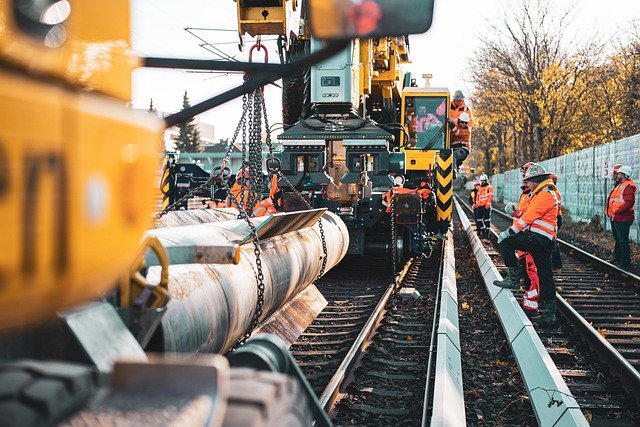
Traditional rural roads were laid to move farm produce to market towns; today they must also carry school buses, tele-medicine vans, solar-powered delivery drones, and fiber-optic conduits. When we speak of integration, we are talking about aligning these physical pathways with digital and social ones. Imagine an app that schedules the same electric minibus for both schoolchildren at dawn and health-care workers at noon, then recharges on community solar micro-grids by dusk. By synchronizing timetables, charging stations, and data platforms, we lower carbon footprints while stretching limited public budgets.
Designing for Transport Sustainability
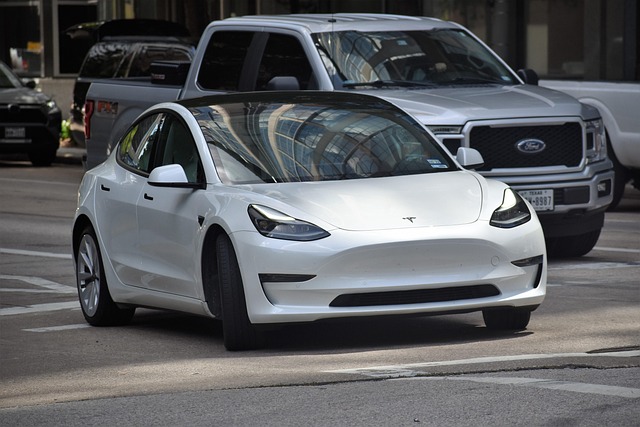
- Multimodal corridors: Resurfacing rural tracks with recycled plastic asphalt, then marking lanes for bicycles and small EVs encourages modal shifts that cut emissions.
- Community energy loops: Rooftop solar on rural cooperatives feeds e-buses, while surplus power is traded through peer-to-peer micro-grids, transforming passengers into energy stakeholders.
- Closed-loop maintenance: Local workshops 3D-print spare parts from farm waste bioplastics, shortening supply chains and embedding circularity into transport life cycles.
Empowerment Through Rural Development
For farmers, reliable freight links mean perishables reach urban markets before spoiling. For youth, an integrated mobility pass offers rides to coding bootcamps in regional hubs. For elders, tele-medicine kiosks connected by low-floor e-vans shrink distances to clinics. Each of these improvements feeds back into the local economy: higher incomes fund better roads; better roads attract green enterprises; new jobs keep families rooted on ancestral land.
Data, Governance, and the Human Element
An integrated approach requires transparent data sharing between transport ministries, cooperatives, and startups. Open-source route maps allow citizens to co-design schedules that fit harvest seasons. Participatory budgeting sessions let villagers vote on whether to extend a bus line or add solar streetlights. This human-centric governance turns infrastructure into a living commons, not a distant government mandate.
From Pilot to Scalable Blueprint
Pockets of success already dot the globe: Kenya’s battery-swap motorcycle taxis, Spain’s on-demand microbuses, India’s freight-to-passenger rail conversions. Each pilot reveals best practices—community ownership models, pay-as-you-go ticketing, regenerative road materials—that, when woven together, create a replicable playbook for global rural transportation development. Integration is not merely technical; it is cultural, ecological, and profoundly personal, ensuring that the next bus pulling into that quiet village carries with it the future the community has helped design.